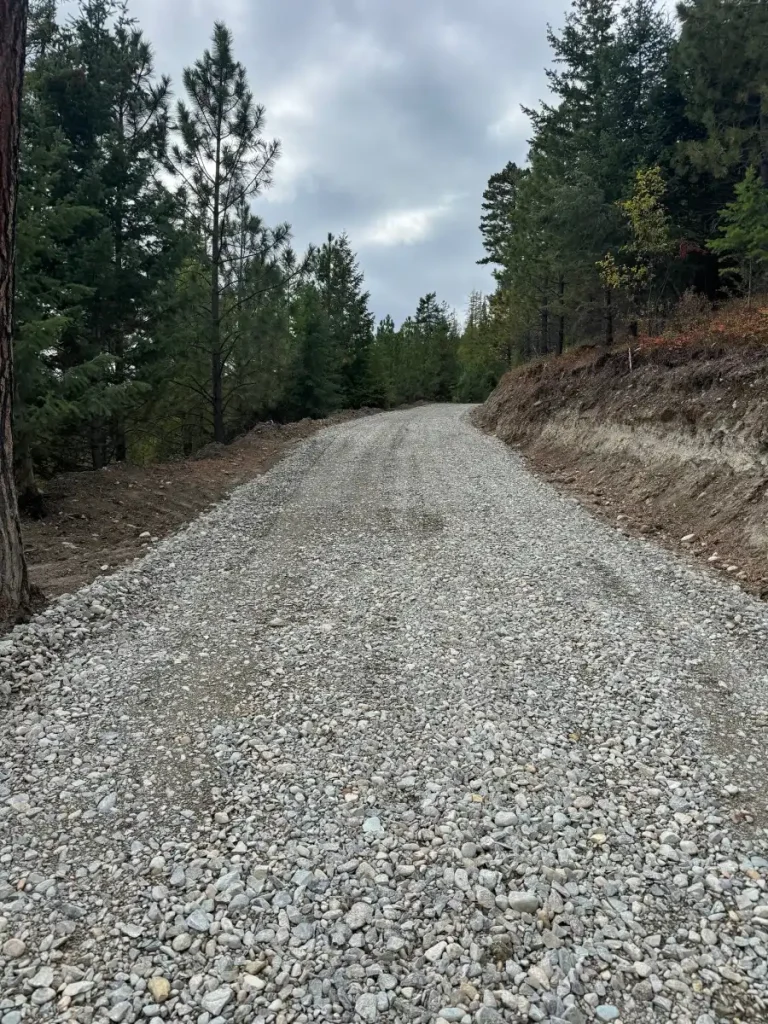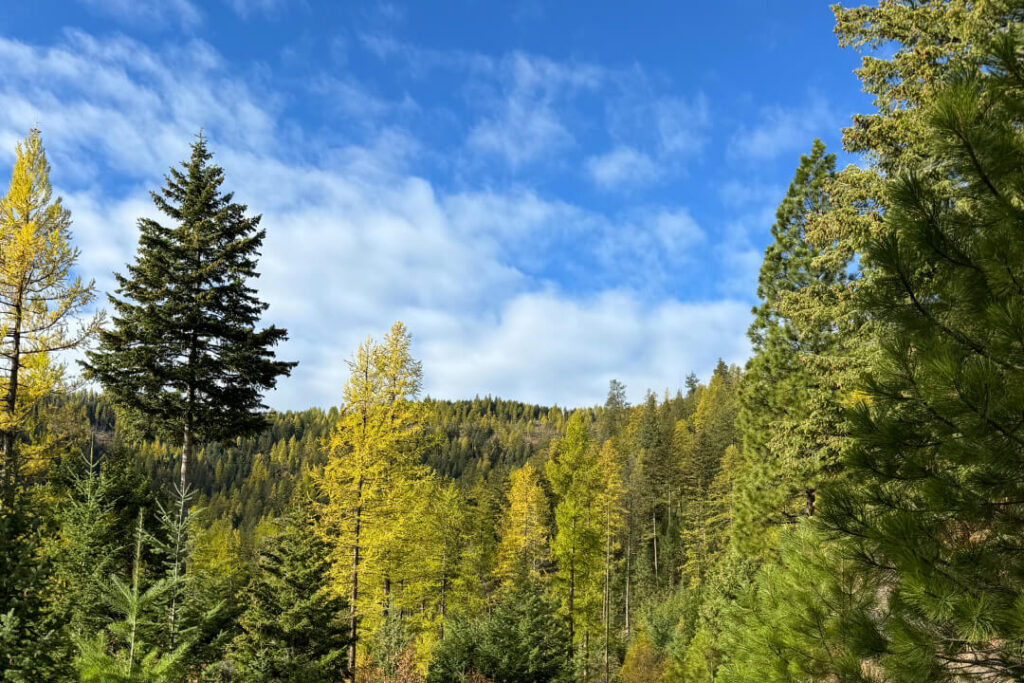
Most investors pursue land that is easy to access, simple to develop, and straightforward to monetise. We have spent the last two decades focused on the opposite parcels that others pass over because they require more thought, more experience and more execution. Take a parcel in Northwest Montana. It has steep terrain, exposed bedrock, no water rights on file, no nearby utility power, and no paved access for miles. Most buyers think that kind of land looks difficult to us; it represents a different kind of opportunity.
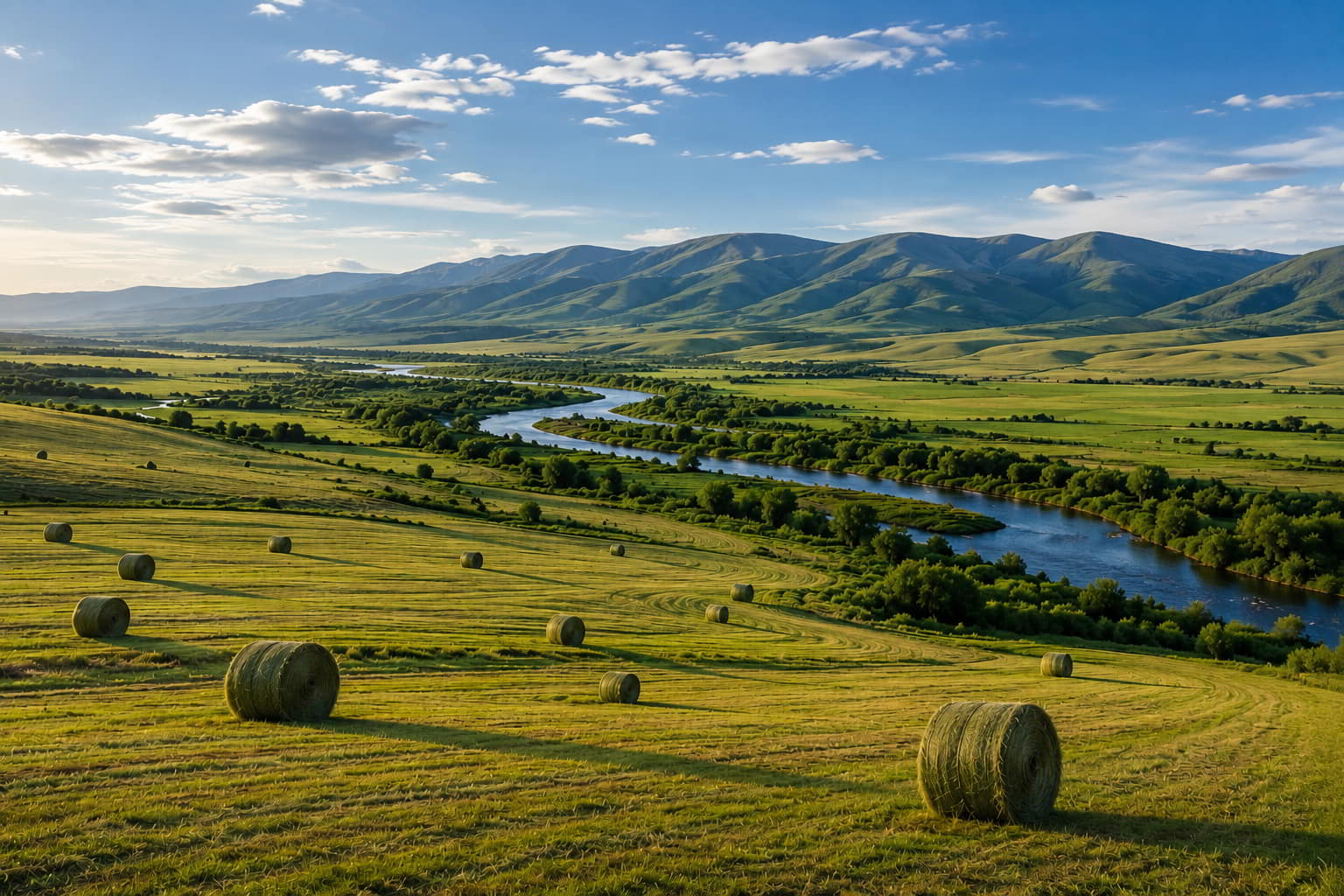
What others see as roadblocks, we see as just another part of the job to be done when underwriting that land. Building a road that’s got some tricky grades, digging a deep well, setting up an off-grid system for power, starting from scratch to get water rights & blasting through rock, these aren’t risks we can’t pin down to us; they’re well-defined tasks with their prices & methods already figured out.
That is where the value starts to appear. When the market discounts a parcel because it is more complex than average, the right operator can step in to complete the work and acquire the land at a price below its long-term potential. In many cases, Montana land investment opportunities with the highest long-term upside come from difficult land development projects that require infrastructure execution, off-grid land development expertise, and operational experience that most buyers lack.
Pricing Mistake in Raw Land Investing
Western land is often priced as if every buyer has the same capability. In reality, that is rarely true. Steep terrain, rock excavation, deep wells, off-grid systems, and water rights are often treated as permanent disadvantages, which leads the market to discount parcels that require more expertise to unlock. We see that discount as an opportunity. When others see difficulty, we see a defined problem with known costs, and that is where value can be created through execution rather than speculation.
That opportunity matters even more as demand continues to move into the Mountain West. As buyers and capital spread into secondary and tertiary corridors, execution capability becomes the real advantage. In that environment, the right operator can turn complexity into a durable edge. And over time, that edge often becomes the difference between a problem parcel and a valuable asset.
The Inversion: What the Market Sees vs. What We See
Most funds underwrite risk using generic premiums and step away. Our approach assumes execution is possible because we have already done it in similar terrain, weather, and contractor environments.
| Challenge | Market view | Our view |
| Roads on 40%+ grades | Unbuildable; permitting risk. | Engineered switchbacks with known unit costs |
| Exposed bedrock | Not developable | Pre-split blasting; usable material for road base |
| No water rights | Doesn’t exist if not papered | Prior appropriation filing with seniority establishment |
| No wells or surface water | Dry parcel discount or pass | Deep wells in quartzite formations with proven yields |
| No nearby power | Too remote from the development map | Fully off-grid systems designed to code |
| No comparables | No valuation anchor can’t underwrite | Constructed comps from off-market data |
| Contractor scarcity | Can’t build on schedule | Pre-booked specialist crews, three seasons out |
How We Create Value from Unusable Land Into Productive Assets
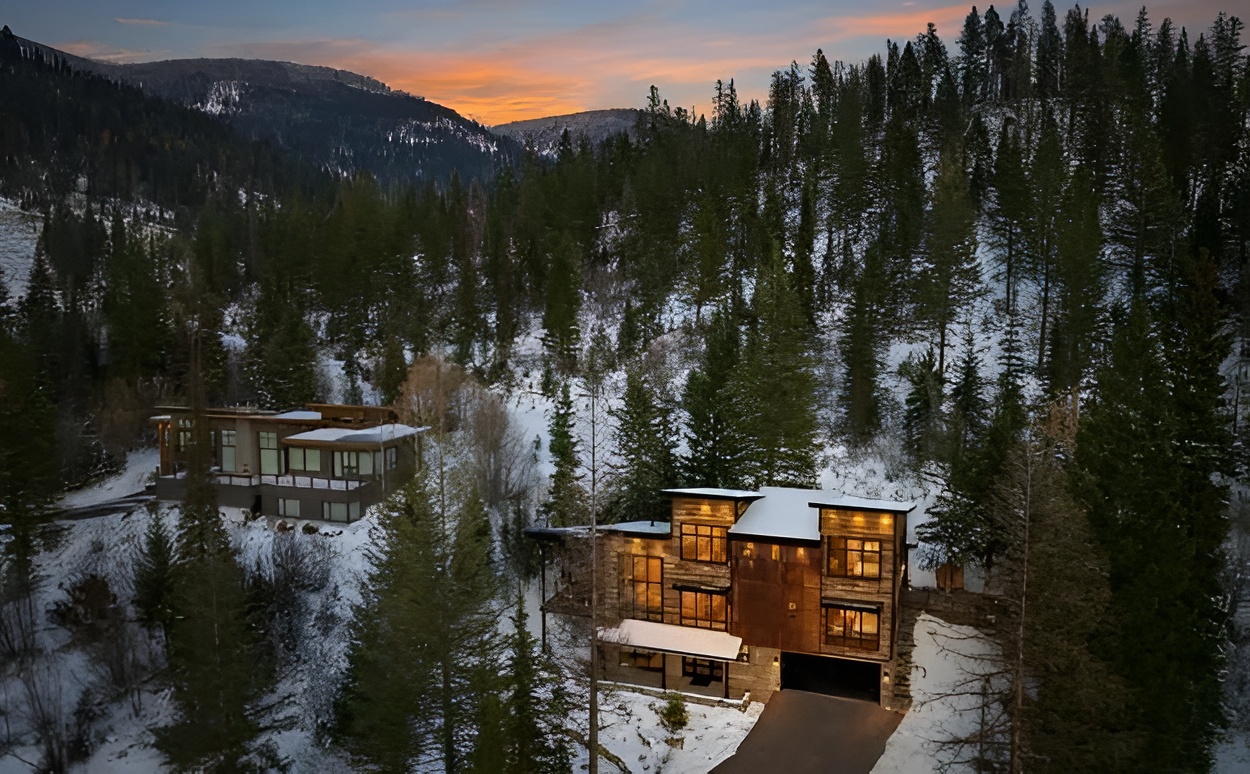
Our proof of concept is a 150-acre acquisition in Northwest Montana on similar terrain rejected by other buyers.
- Acquisition: We purchased at a discount reflecting perceived impossibility.
- Infrastructure: We engineered full access and utility systems, switchbacks on 40%+ grades, a 1,700-foot well into quartzite, a propane generator system, and full electrical distribution installed to code.
- Water Rights: We filed under prior appropriation early, securing seniority before competing filings.
- Cash Flow While Holding: Carbon credit participation from forest acreage, Quarry rock sales from excavation, Grazing, hunting, and timber thinning leases.
- Exit Positioning: Nearby institutional-scale development validates the corridor. These projects don’t compete with us; they expand the value of early positioning.
Why Water Rights Matter in Montana Land Investment
Water access is one of the most important variables in Montana land development. Montana follows a prior appropriation system, meaning seniority often determines long-term access rights. Securing water rights early can create a meaningful structural advantage over time, especially as regional demand increases.
Many investors avoid parcels without established water rights because the process appears complicated. However, understanding the regulatory framework and acting early can significantly improve long-term land value. For remote land investment projects water strategy is often just as important as physical infrastructure.
Why Difficult Land Development Is Hard to Replicate
This strategy is not driven by capital alone. It is an execution system shaped by real-world constraints. Road building on steep Montana terrain is a specialized discipline. Deep quartzite drilling requires rare contractors. Off-grid systems must be engineered to code not improvised. At higher elevations construction window is also limited.
The real constraint is contractor access. In many counties, only a small number of operators can handle this type of work, and they are usually relationship-based rather than available through open bidding.
A second constraint is information. Understanding a corridor before it is formally recognised requires long-term observation of migration patterns, permitting signals, brokerage flow, and infrastructure expansion.
The ROI Behind Infrastructure-Driven Land Investing
On the 150-acre proof-of-concept project:
- Approximately $500,000 was invested in infrastructure.
- Approximately $1.1 million in value creation.
- Roughly 2.2× return on infrastructure capital.
- Approximately 61% unlevered ROI over 24 months.
The ROI on off-grid land development depends heavily on infrastructure execution, acquisition pricing, contractor access, and long-term corridor demand. These numbers highlight an important principle in infrastructure-driven land investing: value is often created through execution rather than speculation.
In many cases, the largest increase in raw land value comes from solving access, utility, water, and infrastructure limitations that prevent other buyers from acting.
Where Durable Returns Come From Raw Land
Durable returns come from the gap between what the market assumes is possible and what can actually be executed. In liquid markets, that gap closes quickly. In land, it can persist for years or decades. Most investors lack the operational capability to exploit it. Most operators lack the scale discipline to systematize it. The overlap is rare, but that is where we operate.
Every parcel declined by others expands our opportunity set. The inventory of difficult land is finite. The number of capable operators is smaller still. We are positioned for that imbalance.
Frequently Asked Questions:
1. What makes land development so tough in Montana?
Steep slopes, exposed bedrock and rocks everywhere, plus a lack of reliable water sources and utilities, are just a few of the big hurdles you’ll face. Luckily, most of those issues can be worked around with a solid plan and some decent engineering.
2. Can you really make money developing off-grid land?
Yeah, you can, but only if you plan carefully and get the engineering right. We’ve got a proof-of-concept project that shows how it can work, and it turned a healthy profit off-grid.
3. Why do institutional investors avoid this type of land?
Most of them are too scared to take on execution risk if it’s not directly under their control. Instead of trying to figure it out, they just knock off a ton of value and move on to something much easier.
4. Why are water rights so important in Montana?
Montana follows a prior appropriation system, where seniority determines long-term access and control. Securing water rights early creates a meaningful structural advantage over time.
5. What gives the biggest boost to the value of raw land?
Getting roads in, setting up water and utilities, grading the land and clearing the build site are the main things that get raw land from zero to something with some real value.
#Montana land investment #off-grid land development #Northwest Montana real estate #raw land investing #land value investing #Montana development land #remote land investment #difficult land development #infrastructure-driven land invest