Today, Western land investment is increasingly attracting attention as investors reassess traditional asset allocation strategies. That framework was built for a world where labour productivity, monetary stability, and resource abundance could be taken for granted. Today, the world is changing. Across the American West, a set of powerful forces is reshaping how investors think about value, scarcity, and long-term capital preservation.
These forces are not theoretical forecasts or distant possibilities. They are measurable realities already influencing markets, asset prices, and investment decisions. While each trend is significant on its own, together they create a compelling case for ownership of scarce physical assets, particularly land and water rights.
1. How AI is changing the economics of human labour and shifting value toward scarce physical assets
Artificial intelligence is rapidly transforming industries and automating tasks that once depended on human expertise, reshaping labour economics and the future of work. As AI continues to increase productivity, the value of many forms of labour may face growing pressure due to AI-driven automation and labour market disruption. Physical assets operate differently in this context. Land does not depend on labour productivity to maintain its scarcity, making it a core example of a scarcity-based asset in an AI-driven economy.
Water rights cannot be replicated by software, reinforcing their role as finite natural resource assets resistant to digital replication. As technology reshapes economic activity, assets rooted in finite physical resources become increasingly differentiated from assets tied to human output.
2. Monetary erosion is reinforcing the value of scarce physical assets
United States currently carries approximately $39 trillion in national debt while running annual deficits of nearly $1.9 trillion. Regardless of future policy decisions, persistent borrowing creates long-term concerns about purchasing power erosion, currency stability, and inflationary pressures. Land has historically occupied a unique position in such environments because its supply is fixed. Unlike paper assets that depend on financial systems, the replacement cost of land tends to rise with inflationary pressures, even as the underlying resource remains scarce, reinforcing its role as a scarce physical asset and potential inflation hedge.
3. The global role of the dollar is shifting
The U.S. dollar remains the world’s dominant reserve currency, but its share of global reserves has declined from 71% to roughly 56%. For investors, this trend highlights the importance of owning assets whose value derives from scarcity rather than monetary policy. Physical assets such as land and water rights exist independently of currency systems. Their value is based on ownership of finite resources rather than confidence in any single fiat currency.
4. Water scarcity is reshaping land ownership across the American West
Few forces may prove more consequential to the American West than water availability. According to the newsletter’s cited data, the Colorado River Basin has lost approximately 27.8 million acre-feet of groundwater since 2003, with groundwater depletion accelerating in recent years. At the same time, concerns continue to grow regarding water levels in major reservoirs such as Lake Powell. Water scarcity is changing the economics of Western land ownership and increasing the strategic importance of land and water rights.
| Scarce Resource | What is Happening |
| Water | Groundwater depletion is accelerating across parts of the West. |
| Large Land Parcels | Consolidation and parcelization are reducing available inventory. |
| Water Rights | Priority access becomes more valuable during shortages. |
| Developable Land | Growing populations increase demand while supply remains limited. |
5. Land supply is shrinking through consolidation
Scarcity is not limited to water. In Montana, ownership patterns reveal a growing concentration of land. According to the newsletter, approximately 4,000 owners control two-thirds of the state’s private land. At one end of the market, large landowners continue to accumulate acreage and hold it long-term. On the other hand, parcelization divides remaining properties into smaller pieces. The result is a shrinking inventory of large, intact parcels, particularly those with valuable water rights. Every acquisition further reduces future supply, making scarcity an increasingly important driver of value.
6. Population growth continues across the Mountain West
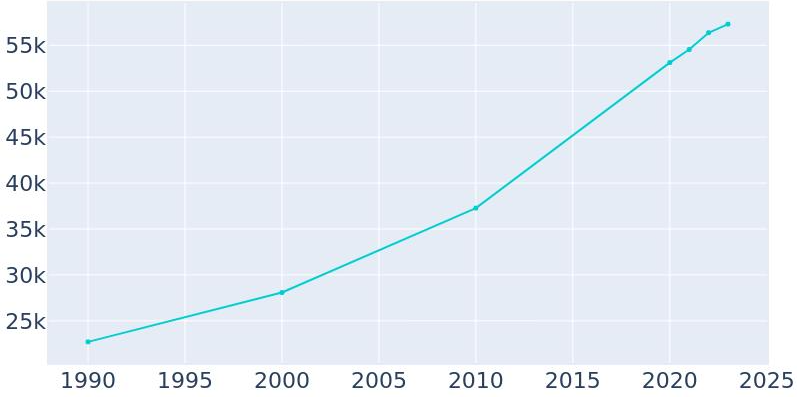
Migration trends remain another powerful tailwind. Mountain West states continue to attract new residents seeking a lifestyle, economic opportunity, and access to natural amenities. Every new household increases demand for housing, infrastructure, and water resources. As population growth continues, demand for strategically located land assets naturally increases.
7. Why insurance availability is becoming a critical real estate market factor
Insurance has traditionally been viewed as a routine cost of property ownership. Increasingly, however, the availability of property insurance is becoming a factor that directly influences property values and investment decisions. Several major insurers have reduced or stopped writing new policies in high-risk regions. Policymakers and industry leaders have also warned that some areas could face future challenges in obtaining both insurance and financing.
The relationship is straightforward: when insurance becomes unavailable, real estate financing becomes more difficult. When financing becomes difficult, property values can face pressure. This dynamic may create a growing distinction between higher-risk regions and areas with stronger long-term insurability profiles, making insurability an increasingly important consideration for landowners and investors.
8. Competition for U.S. land is expanding
Land is increasingly viewed not only as an investment asset but also as a strategic resource. As geopolitical uncertainty, supply chain concerns, and global competition for resources intensify, domestically secured assets gain greater relevance. Physical land located within U.S. jurisdiction offers investors direct ownership of a scarce resource that cannot be outsourced, replicated, or digitally disrupted.
Why billionaires are buying massive farmland: the shift toward scarce assets
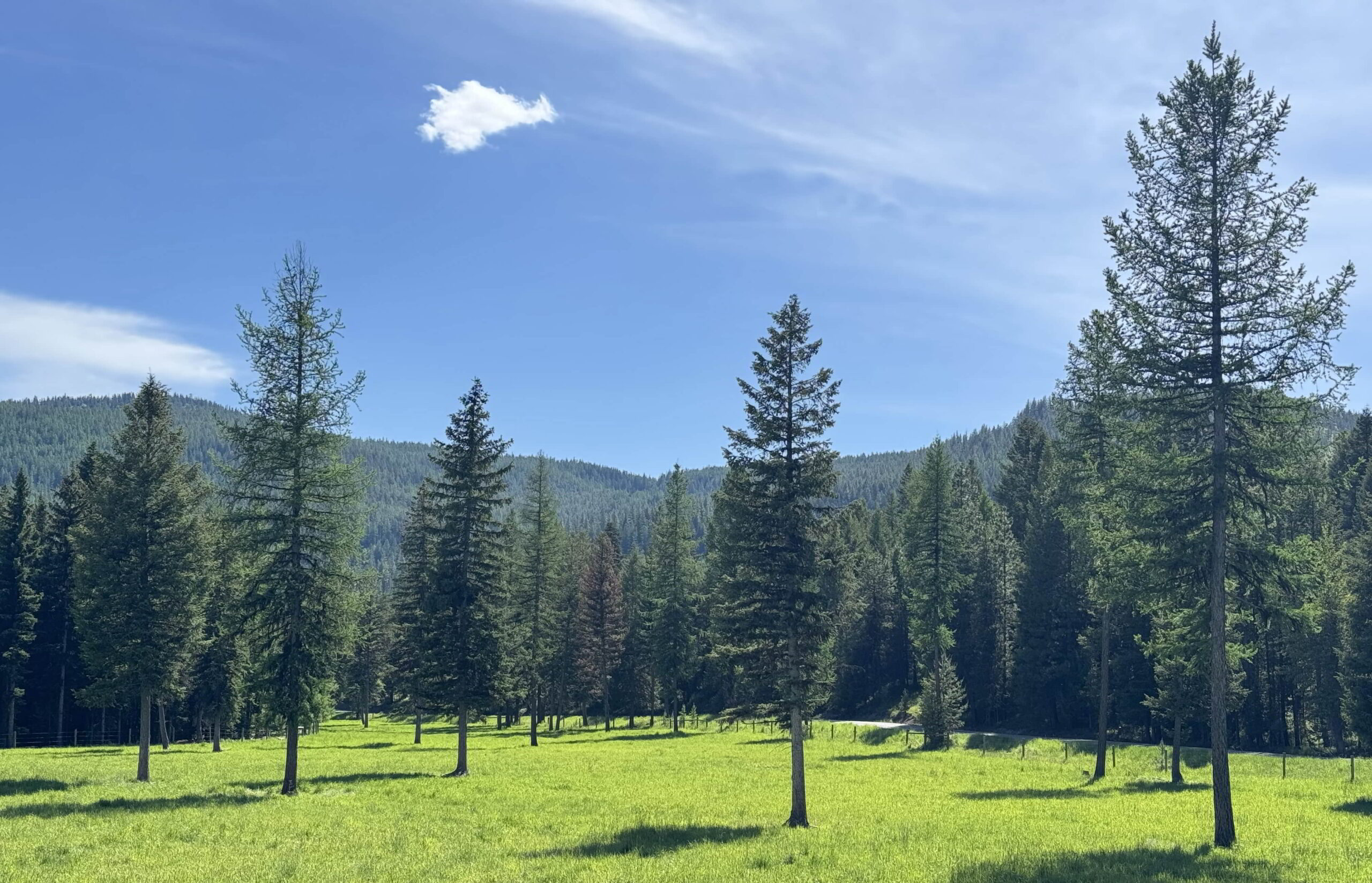
One indicator of these trends is evident in the land acquisition activity of several prominent investors and landowners. The newsletter highlights major land holdings associated with names such as Bill Gates, Stan Kroenke, John Malone, Ted Turner, Jeff Bezos, and Thomas Peterffy.
Notable Large-Scale Landowners:
- Bill Gates – 275,000 acres across 19 states.
- Stan Kroenke – Approximately 2.7 million acres.
- John Malone – 2.2 million acres.
- Ted Turner – 2 million acres.
- Jeff Bezos – 462,000 acres in West Texas.
- Thomas Peterffy – 647,000 acres in Florida.
While each investor may have different objectives, these acquisitions highlight continued interest in large-scale land ownership as a long-term asset class. Collectively, they illustrate how some investors continue to allocate capital toward scarce physical assets with enduring utility.
Why timing matters
One reason these trends have not fully translated into market prices is that real assets often reprice more slowly than public markets. Several factors contribute to this lag:
- Appraisal cycles can delay the reflection of changing market conditions in asset valuations.
- Transaction timelines for land and other real assets are typically longer than those of publicly traded securities.
- Limited market liquidity means price discovery often occurs gradually rather than instantly.
- Water markets already provide evidence of repricing. The Colorado-Big Thompson Project water price increased from approximately $15,065 per acre-foot in 2013 to roughly $67,000 per acre-foot in 2024.
- Scarcity pressures continue to intensify due to water shortages, land consolidation, migration, and capital flows.
As these trends continue to compound, many investors believe the gap between current valuations and future scarcity may narrow over time.
Bottom Line
The investment case for Western land is not built on a single prediction. It does not require investors to forecast exactly how artificial intelligence will affect employment, how quickly monetary conditions will evolve, or how severe future water shortages may become. Instead, it rests on a simpler observation: multiple independent forces are simultaneously increasing the strategic value of scarce physical assets. Land remains finite. Water remains essential. Both are becoming harder to replace and more difficult to acquire.
As these eight pressures continue to converge, ownership of land and water rights may become increasingly important for investors seeking assets grounded in scarcity, durability, and long-term value creation.
Frequently Asked Questions (FAQs):
1. Why are land values increasing in the American West?
Several long-term trends, including water scarcity, land consolidation, population growth in Mountain West states, and increasing demand for scarce physical assets, are supporting land values. Together, these forces are reducing available supply while increasing demand.
2. Why are water rights becoming more valuable?
Water is an essential resource with no substitute. As groundwater depletion and drought pressures continue across parts of the West, senior water rights provide priority access to water allocations, making them increasingly important for landowners and investors.
3. How does land act as a hedge against inflation?
Unlike paper assets, land has a fixed supply and cannot be created. As inflation increases the cost of development, infrastructure, and replacement assets, the value of scarce land resources may benefit from those rising costs.
4. Why are wealthy investors buying large amounts of land?
Many large-scale investors view land as a long-term store of value because it is scarce, tangible, and less correlated with public financial markets. The continued acquisition of large land holdings reflects growing interest in physical assets with enduring utility.
5. What makes land with water rights different from ordinary land?
Land with established water rights provides access to a resource that is increasingly difficult to secure in many Western markets. As water availability becomes a greater economic concern, these rights can significantly enhance a property’s strategic value and utility.
Tags: Montana land investment, Long-Term Investments, Real Estate Investment, Land Investment Opportunities, Land Investing Strategies, Raw Land Investment, Undeveloped Land, Real Assets, Alternative Investments, Real Asset Investing, Investment Opportunities, Water Asset Investment, Water-Driven Investments